
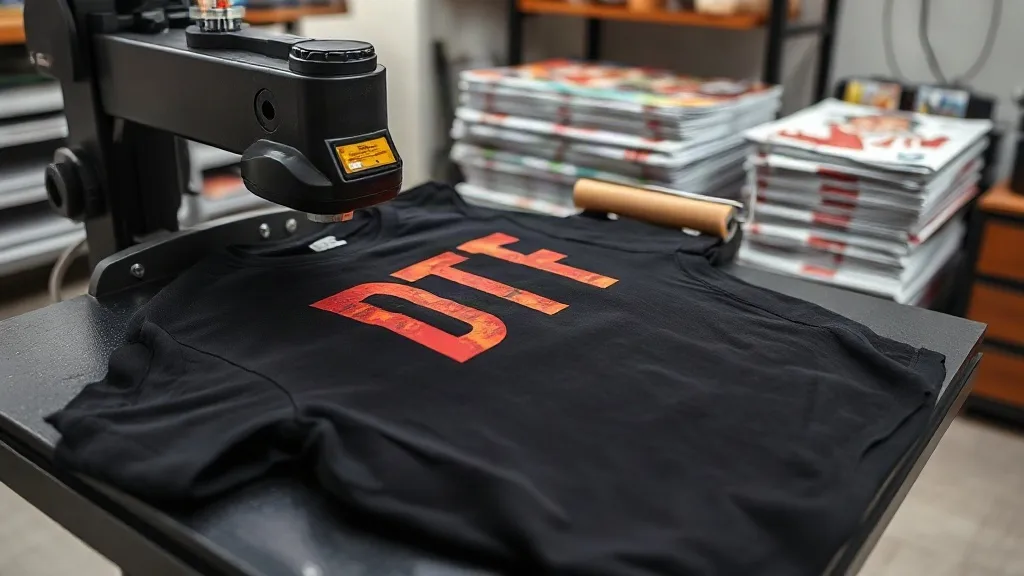
When you're printing custom apparel, the difference between a good print and a great one often comes down to the blank you choose and the technique you use. shaka wear has earned a reputation among printers for delivering heavyweight, durable tees that take to DTF like a dream. But even the best blanks can fail if you don't handle them right. In this guide, we'll dive into the specifics of working with Shaka Wear for DTF printing, from fabric nuances to pressing parameters, and share insights that only come from hands-on experience.
Why Shaka Wear Stands Out for DTF Printing
Shaka Wear isn't just another blank tee brand. Their garments are known for their substantial weight, tight knit, and consistent quality. For DTF printers, this translates to a stable surface that accepts adhesive powders and films uniformly, reducing the risk of ghosting or uneven curing. The heavyweight cotton provides a smooth canvas that holds fine details, making it ideal for intricate designs. Plus, the density of the fabric means less ink absorption, so colors pop without needing multiple layers.
Fabric Composition and Its Impact on Adhesion
Most Shaka Wear tees are 100% cotton or cotton-poly blends. Pure cotton offers excellent adhesion for DTF transfers because the fibers are natural and porous, allowing the adhesive to grip tightly. However, cotton can also be prone to shrinkage, so pre-shrinking or accounting for size changes is crucial. Blends, on the other hand, offer more stability but may require slightly higher pressing temperatures. Knowing your fabric helps you dial in the perfect settings.
Weight and Texture: The Unseen Heroes
Shaka Wear's heavyweight tees (often 6 oz and up) provide a plush feel that customers love. But weight also affects printability: heavier fabrics tend to have a tighter weave, which means less texture interference with the transfer. That smooth surface is your ally when pressing detailed graphics. Just be mindful that thicker fabrics may need a bit more pressure to ensure the adhesive penetrates evenly.
Preparing Shaka Wear Blanks for DTF Success
Before you even think about pressing, prep work sets the stage. Start by checking for loose fibers or lint on the shirt surface. A quick lint roll or compressed air pass can save you from pesky imperfections. Also, pre-press the garment for a few seconds to remove moisture and wrinkles. This step is especially important with Shaka Wear because their dense fabric can trap moisture, leading to steam pockets that ruin adhesion.
Choosing the Right DTF Transfer
Not all DTF transfers are created equal. For Shaka Wear, opt for high-quality transfers with a consistent adhesive layer. If you're producing your own transfers, a DTF Gangsheet Builder can help you maximize efficiency and minimize waste. This tool allows you to gang multiple designs onto a single sheet, ensuring you get the most out of every print run. Whether you're printing a few shirts or a bulk order, the right transfer makes all the difference.
Temperature, Pressure, and Time: The Golden Trio
Every printer has their preferred settings, but for Shaka Wear, a good starting point is 320°F (160°C) with medium pressure for 10-15 seconds. However, always do a test press with a scrap piece to fine-tune. The heavyweight fabric might require a slightly longer dwell time to ensure the adhesive fully cures. Remember, too much heat can scorch the cotton, while too little leaves you with a print that peels after a few washes.
Common Pitfalls and How to Avoid Them
Even seasoned pros run into issues. One common mistake is insufficient pressure, which prevents the transfer from bonding properly. Another is rushing the cooling process: let the shirt cool completely before peeling the film. Peeling while hot can distort the design or cause adhesive stringing. Also, watch out for uneven surfaces; Shaka Wear tees are generally flat, but seams and collars can interfere if your design extends into those areas.
Troubleshooting Adhesion Problems
If your transfer isn't sticking, check your pressure first. Increase it gradually until you see the adhesive clearly embedded in the fabric. If that doesn't work, your temperature might be too low. Use an infrared gun to verify the actual platen temperature, as dials can be misleading. And always ensure the garment is completely dry before pressing; moisture is the enemy of DTF adhesion.
Extending Print Durability
To make your prints last, advise your customers to wash inside out in cold water and avoid harsh detergents. Proper care preserves the adhesive and keeps colors vibrant. From a production standpoint, using a quality transfer and following the correct pressing protocol will give you a print that survives dozens of wash cycles.
Maximizing Efficiency with Shaka Wear and DTF
Time is money in a print shop. Shaka Wear's consistent sizing and fabric quality mean fewer rejects and faster production. Pair that with a systematic DTF workflow and you'll see throughput increase. Consider batching similar designs using a DTF Gangsheet Builder to streamline your process. This approach not only saves film but also reduces setup time between jobs.
Real-World Tips from the Press
After pressing thousands of Shaka Wear tees, a few tricks stand out. First, use a Teflon sheet or parchment paper over the transfer to protect your heat platen and prevent scorching. Second, invest in a good quality heat press with even pressure distribution; cheap presses often have cold spots that lead to inconsistent adhesion. Lastly, keep a log of your settings for different Shaka Wear styles—you'll thank yourself later when you need to reproduce that perfect print.
Frequently Asked Questions
Can I use DTF on all Shaka Wear fabrics?
DTF works well on most Shaka Wear garments, including 100% cotton and cotton-poly blends. However, for synthetics like polyester, you may need to adjust temperature and pressure to avoid scorching. Always test on a swatch first.
How do I prevent the transfer from peeling after washing?
Ensure proper adhesion by using sufficient pressure and time during pressing. Also, wash the garment inside out in cold water and avoid fabric softeners, which can degrade the adhesive over time.
What's the best way to store DTF transfers before use?
Keep transfers in a cool, dry place away from direct sunlight. Humidity can affect the adhesive, so store them in a sealed bag with desiccant packs if possible.
Do I need to pre-treat Shaka Wear shirts before DTF printing?
Pre-treatment is not required for DTF, but pre-pressing the garment to remove moisture and wrinkles is recommended. This step ensures optimal adhesion and a smooth finish.
How can I make my DTF prints last longer on Shaka Wear tees?
Use high-quality transfers, follow the correct pressing parameters, and educate customers on proper care. Avoiding excessive heat during washing and drying will significantly extend print life.