
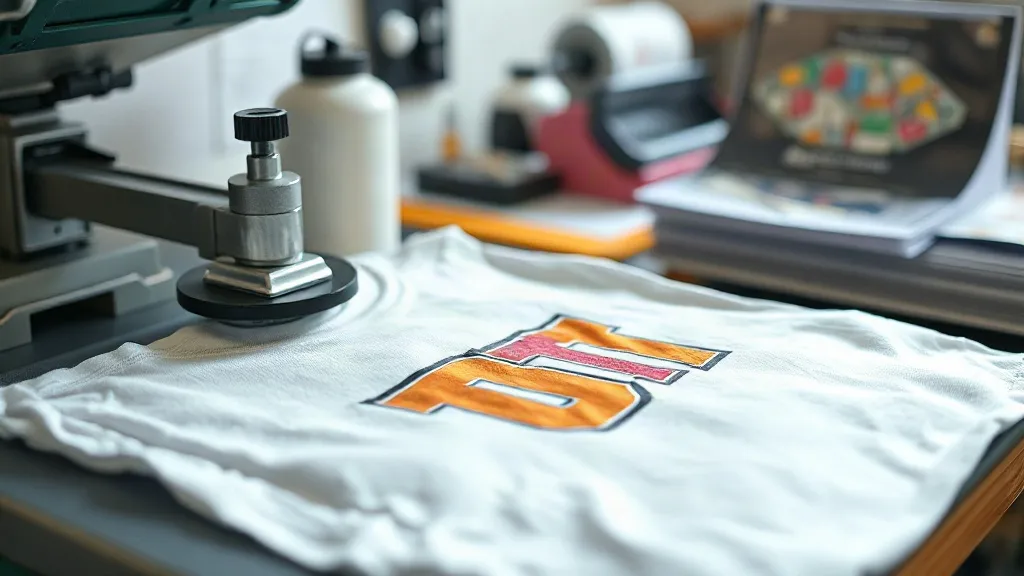
You've invested in a DTF printer, quality film, and premium powder. Yet your prints still crack, fade, or look dull. The culprit isn't your equipment—it's likely one of seven common mistakes that even experienced printers overlook. In this guide, I'll reveal these costly errors and show you exactly how to fix them, so you can achieve flawless dtf transfers that delight customers and boost your bottom line.
Mistake 1: Skipping Color Management (And Why It Costs You)
Many printers treat color management as an afterthought, relying on default printer settings. This leads to inconsistent colors, wasted ink, and reprints that eat into profits. DTF printing demands precise color profiles because the ink must adhere to film, transfer to fabric, and withstand heat. Without proper management, your vibrant design can turn muddy or washed out.
Fix it by creating custom ICC profiles for each substrate you use. Calibrate your monitor regularly, and always soft-proof your designs before printing. Invest in a spectrophotometer if you're serious about color accuracy. Remember, consistent color is the hallmark of professional dtf work.
Mistake 2: Using the Wrong Film (And How to Choose)
Not all DTF film is created equal. Using cheap or incompatible film can cause ink smearing, poor powder adhesion, and transfers that peel after a few washes. The film must match your printer's ink type (pigment or dye) and your transfer method (hot or cold peel).
Choose film with a consistent coating and high release properties. Test samples from different suppliers; a slightly higher price per sheet often pays off in fewer failures. For those searching for dtf transfers near me, quality suppliers provide detailed film specifications and samples, so you can avoid costly trial and error.
Mistake 3: Overlooking Fabric Compatibility
DTF transfers work on almost any fabric, but that doesn't mean every fabric yields the same result. Cotton, polyester, blends, and synthetics each interact differently with the adhesive and ink. Printing on a fabric that's incompatible with your transfer settings can lead to poor wash durability or a stiff hand feel.
Always test on the actual garment you'll be printing. Adjust your press temperature, pressure, and time accordingly. For stretchy fabrics, use a stretchable transfer powder and lower pressure to prevent cracking. If you're unsure, consult the fabric manufacturer's guidelines or run a small test batch before committing to a large order.
Mistake 4: Ignoring Proper Powder Application
The adhesive powder is the unsung hero of DTF transfers. Too little powder, and the transfer won't bond; too much, and you'll get a rough, plasticky feel. Many printers shake powder haphazardly, leading to uneven coverage.
Use a dedicated powder shaker or sieve for even distribution. Apply a generous coat, then shake off excess gently. Cure the powder properly with a heat gun or in an oven until it melts and forms a smooth layer. Overcuring causes yellowing; undercuring leads to poor adhesion. Find the sweet spot by testing cure times for your specific powder and film.
Mistake 5: Pressing with Incorrect Temperature and Pressure
Heat press settings are critical. Too hot, and the film shrinks or the adhesive burns; too cold, and the transfer won't adhere. Pressure matters too: too much pressure can cause the ink to spread, while too little leaves gaps.
Always preheat your press and use a infrared thermometer to verify the platen temperature. For most DTF transfers, a temperature of 150-160°C (300-320°F) with medium pressure for 10-15 seconds works well. But every setup is different. Keep a log of settings for each fabric and film combination, and adjust as needed. A simple test with a sacrificial garment can save you from a costly mistake.
Mistake 6: Neglecting Post-Press Care
You've pressed the transfer, but the job isn't done. Improper cooling or handling can ruin the print. Rushing to peel the film while it's hot can cause the design to distort or the adhesive to string. Similarly, stacking freshly pressed garments can lead to sticking and surface damage.
Follow the film manufacturer's peel instructions: some require hot peel, others cold. Allow garments to cool completely on a flat surface before stacking. For cold peel, wait until the film is completely cool to the touch. This simple step dramatically improves durability and appearance.
Mistake 7: Skipping Wash Testing
You wouldn't ship a product without quality control, yet many printers skip wash testing. A print that looks perfect initially might fail after five washes, leading to returns and reputation damage.
Before committing to a full order, wash a sample garment according to the care instructions you'll provide (e.g., inside out, cold water, tumble low). Check for cracking, fading, or peeling. If issues arise, revisit your powder, press settings, or film choice. Document your wash test results and use them to refine your process.
Frequently Asked Questions
How can I prevent DTF prints from cracking after washing?
Cracking usually stems from insufficient powder, incorrect press settings, or fabric mismatch. Ensure even powder coverage, press at the right temperature and pressure for your fabric, and always wash test. Using a stretchable powder for knit fabrics also helps.
What's the best way to store DTF transfers before use?
Store unused transfers in a cool, dry place away from direct sunlight. Keep them flat to prevent curling. If stacked, place a sheet of parchment paper between them. Proper storage maintains adhesive integrity and prevents dust contamination.
Can I use DTF transfers on dark and light fabrics equally?
Yes, DTF transfers are versatile and work on both dark and light fabrics. However, on dark fabrics, you'll need a white ink layer for opacity. Ensure your printer has white ink capability and that the white layer is properly cured.
How do I choose the right DTF film for my printer?
Match the film to your ink type (pigment or dye) and printer brand. Check for compatibility with your transfer method (hot or cold peel). Read reviews and request samples from suppliers to test before buying in bulk.
What is the average lifespan of a DTF transfer?
With proper application and care, DTF transfers can last 50+ washes. Longevity depends on fabric type, wash conditions, and quality of materials. Following care instructions and using quality supplies will maximize durability.
By avoiding these seven mistakes, you'll produce professional-grade dtf transfers that keep customers coming back. Remember, consistency is key—document your processes, test rigorously, and never stop learning. Your prints (and your profits) will thank you.