
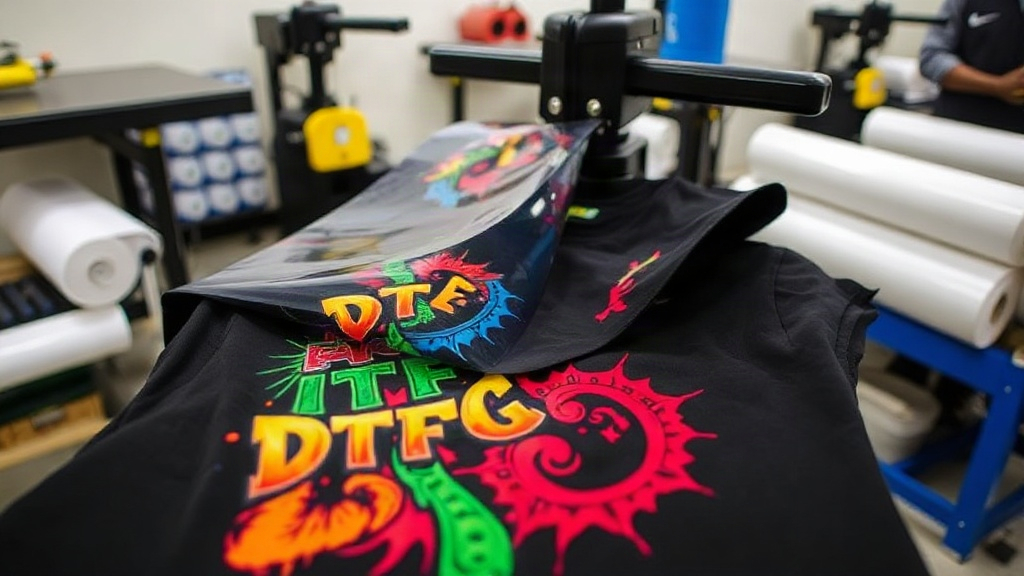
Custom apparel printing has evolved dramatically over the past decade, and one technology has been making waves for its incredible versatility and stunning results: DTF Transfers. Whether you're a small business owner looking to offer unique designs, a hobbyist wanting to personalize gifts, or a large-scale producer seeking efficiency, DTF transfers might just be the solution you've been searching for. In this comprehensive guide, we'll dive deep into what DTF transfers are, how they work, and why they've become a game-changer in the world of garment decoration.
What Are DTF Transfers?
DTF stands for Direct-to-Film. Unlike traditional printing methods that apply ink directly onto fabric, DTF transfers involve printing your design onto a special film, coating it with a powder adhesive, and then heat-pressing it onto your garment. The result is a vibrant, durable print that adheres seamlessly to the fabric.
The process begins with a digital printer that uses special DTF inks (usually CMYK plus white) to print the design in reverse onto a PET film. A powdered hot-melt adhesive is then applied to the wet ink, and the film is cured. When you're ready to apply, you simply place the film on your garment, apply heat and pressure with a heat press, and peel away the film. The design remains, bonded firmly to the fabric.
Why DTF Transfers Are Taking Over the Industry
DTF transfers offer a unique combination of benefits that set them apart from other decoration methods like screen printing, DTG (Direct-to-Garment), and vinyl. Let's explore why so many professionals are making the switch.
1. Unmatched Versatility with Fabrics
One of the biggest advantages of DTF transfers is their ability to adhere to a wide range of materials. While DTG works best on 100% cotton and screen printing can be limited on dark colors, DTF transfers bond beautifully to cotton, polyester, blends, and even leather and denim. This means you can offer custom prints on almost any garment without worrying about compatibility.
2. Vibrant, High-Detail Prints
DTF transfers produce incredibly vibrant colors, thanks to the white ink layer that acts as a base. This allows for bright, opaque prints on both light and dark fabrics. The technology also captures fine details, gradients, and photographic images with impressive accuracy. Whether you're printing a complex logo or a full-color photo, DTF delivers sharp, true-to-color results.
3. Durability That Lasts
When applied correctly, DTF transfers are extremely durable. They resist cracking, peeling, and fading even after repeated washing. The adhesive powder creates a strong bond that flexes with the fabric, so prints won't stiffen or crack over time. This makes DTF transfers ideal for workwear, sports jerseys, and other high-wear items.
4. Cost-Effective for Short Runs
Unlike screen printing, which requires separate screens for each color and becomes cost-prohibitive for small orders, DTF transfers are economical for short runs. You can print one-off designs or small batches without setup fees or minimums. This makes DTF perfect for personalized gifts, sample orders, or small businesses testing new designs.
5. Simple Workflow
DTF transfers streamline production. You can print designs in advance, store the films, and press them on demand. This eliminates the need for messy inks, screens, or complex setup. The process is clean, efficient, and easy to learn, making it accessible to beginners and scalable for growing businesses.
DTF Transfers vs. Other Printing Methods
To truly appreciate DTF transfers, it helps to compare them to other popular techniques.
- Screen Printing: Great for large orders of simple designs but expensive for small runs and limited on complex images. DTF excels in both short runs and intricate designs.
- DTG (Direct-to-Garment): Best for 100% cotton and light colors; DTF works on more fabrics and produces more vibrant prints on darks.
- Vinyl (HTV): Ideal for simple text and shapes but can't handle fine details or gradients. DTF handles full-color graphics with ease.
- Sublimation: Only works on polyester and light-colored fabrics; DTF is more versatile and produces opaque prints on any color.
As you can see, DTF transfers fill the gaps left by other methods, offering a versatile solution for a wide range of applications.
How to Apply DTF Transfers: Step-by-Step
Applying DTF transfers is straightforward, but following the correct steps ensures a professional, long-lasting result. Here's what you need to do:
- Preheat Your Heat Press: Set the temperature to around 300-325°F (150-160°C) and preheat for a few seconds to remove moisture.
- Position the Transfer: Place the DTF film on the garment with the printed side facing up. Ensure it's exactly where you want it.
- Press: Apply medium to firm pressure for 10-15 seconds. Use a heat press, not an iron, for consistent results.
- Peel: Wait a few seconds for the transfer to cool slightly, then peel off the film. For a matte finish, peel while hot; for a glossy finish, peel when cold.
- Post-Press (Optional): For extra durability, cover the design with a Teflon sheet or parchment paper and press again for 5-10 seconds.
Always test on a scrap piece of fabric first to dial in your settings.
Choosing the Right DTF Transfer for Your Project
Not all DTF transfers are created equal. When selecting a supplier, consider the following:
- Ink Quality: High-quality inks ensure vibrant colors and wash durability.
- Film Type: Look for films that are easy to peel and leave no residue.
- Adhesive Powder: Fine, even powder application prevents clumping and ensures a smooth finish.
- Customer Reviews: Check feedback for consistency and reliability.
At DTF Classic, we pride ourselves on offering premium DTF transfers that meet these criteria, ensuring your projects look professional and last.
Common Mistakes to Avoid with DTF Transfers
Even though DTF is user-friendly, some pitfalls can ruin your results. Here are a few to watch out for:
- Insufficient Pressure: Without enough pressure, the transfer won't adhere properly. Use a heat press that can apply even pressure.
- Wrong Temperature: Too hot and the film may melt; too cold and the adhesive won't activate.
- Not Pre-Pressing: Moisture in the fabric can cause poor adhesion. Always pre-press.
- Peeling Too Early or Too Late: Follow the recommended peel method for your film type.
- Ignoring Wash Care: Wait 24 hours before washing, and turn garments inside out to prolong the print's life.
Frequently Asked Questions About DTF Transfers
How long do DTF transfers last?
With proper application and care, DTF transfers can last as long as the garment itself, often 50+ washes without fading or cracking.
Can I use DTF transfers on dark colors?
Absolutely! DTF transfers include a white ink base that makes colors pop on dark fabrics, unlike DTG which may require a white underbase.
Do I need a special printer for DTF?
Yes, DTF requires a printer that uses DTF inks and a film curing oven or heat press. However, if you're buying pre-printed transfers, you only need a heat press to apply them.
Are DTF transfers stretchable?
Yes, when applied correctly, DTF transfers flex with the fabric without cracking, making them great for stretchy materials like spandex blends.
Can I layer DTF transfers?
Yes, you can layer multiple transfers, but it's best to press each layer separately and ensure proper adhesion between layers.
Final Thoughts
DTF Transfers are transforming the custom apparel industry with their versatility, vibrant results, and ease of use. Whether you're a seasoned professional or just starting out, incorporating DTF into your workflow can open up new possibilities for creativity and profit. By understanding the process, avoiding common mistakes, and choosing quality supplies, you'll be able to deliver stunning, durable prints that delight your customers. So why wait? Explore the world of DTF transfers today and elevate your custom apparel game.