
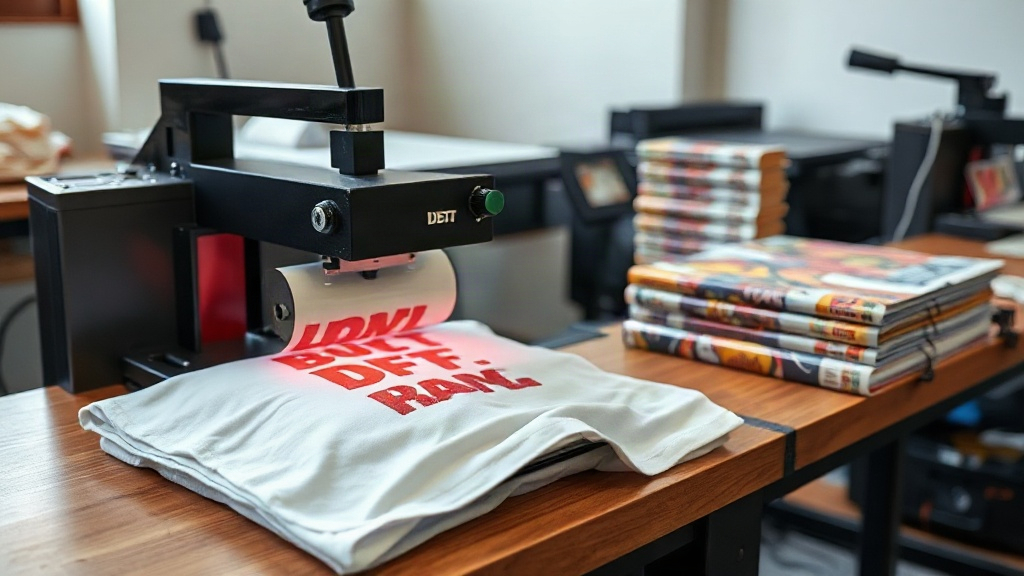
If you've been exploring custom apparel printing, you've likely encountered DTF transfers. This innovative technology is rapidly becoming a favorite among hobbyists and professionals alike, offering vibrant colors and exceptional durability on a wide range of fabrics. Unlike traditional methods that require specific materials, DTF (Direct to Film) printing opens up a world of possibilities. In this guide, we'll walk you through everything you need to know about DTF transfers, from the basics to pro tips, so you can achieve flawless results every time.
What Are DTF Transfers?
DTF transfers are printed designs on a special film that can be heat-pressed onto various fabrics. The process involves printing your design onto a PET film using specialized inks, then applying a powder adhesive, and finally transferring it to your garment with a heat press. This method eliminates the need for cutting or weeding, making it incredibly efficient. The result? A soft, stretchable print that bonds permanently to the fabric.
The DTF Printing Process Explained
First, your design is printed onto a film using a DTF printer. These printers use CMYK and white inks to create vivid, opaque images. After printing, a fine powder adhesive is applied while the ink is still wet. The film is then cured to melt the powder, creating a dry, tacky surface. When you're ready to apply, you simply place the film on your garment and press. The adhesive bonds with the fabric fibers, and after peeling the film, your design remains. It's a straightforward process that yields professional-grade results.
Why Choose DTF Transfers Over Other Methods?
There are several compelling reasons why DTF transfers are gaining popularity. Let's break down the key advantages.
Versatility Across Fabrics
One of the biggest draws is that DTF transfers work on almost any fabric. Cotton, polyester, blends, even leather and nylon. This versatility means you can print on items that were previously challenging for other methods like DTG or vinyl. Whether you're decorating t-shirts, hoodies, tote bags, or caps, DTF has you covered.
No Weeding or Cutting Required
Unlike heat transfer vinyl (HTV), DTF doesn't require weeding. You print the entire design, powder it, and press. This saves hours of tedious work, especially for intricate designs with fine details. It's a game-changer for those who want to produce complex artwork quickly.
Durability and Stretch
DTF prints are known for their durability. They withstand repeated washing without fading, cracking, or peeling. The prints also stretch with the fabric, making them ideal for performance wear and stretchy materials. This flexibility ensures your designs look great even on garments that move with the body.
Vibrant Colors and Fine Details
Because DTF uses white ink as a base, colors pop on both light and dark fabrics. You can achieve photorealistic images, gradients, and fine lines that other methods might struggle with. The result is a high-quality, professional-looking print every time.
How to Apply DTF Transfers: Step-by-Step
Applying DTF transfers is simple, but following the correct steps ensures optimal results. Here's a detailed guide.
What You'll Need
- DTF transfer film with your design
- Heat press (or iron, but heat press is recommended)
- Garment or fabric
- Parchment paper or Teflon sheet
- Heat-resistant tape (optional)
Step 1: Prepare Your Workspace
Set your heat press to the recommended temperature, usually around 300-325°F (150-160°C). Preheat your garment for a few seconds to remove moisture and wrinkles. This helps the transfer adhere evenly.
Step 2: Position the Transfer
Place the DTF transfer onto the garment with the printed side facing up. If your design is intricate, use heat-resistant tape to hold it in place. Avoid moving the film once it's positioned.
Step 3: Press and Peel
Cover the transfer with parchment paper or a Teflon sheet. Press with medium pressure for 10-15 seconds. Then, while the transfer is still hot, peel the film off in a smooth, continuous motion. If any part of the design lifts, press again for a few seconds. For a softer feel, you can press a second time after peeling for 5 seconds.
Step 4: Post-Press Care
Allow the garment to cool completely before wearing or washing. Wait at least 24 hours before the first wash. Turn the garment inside out and wash in cold water. Avoid fabric softeners and bleach. Tumble dry low or hang dry.
Common Mistakes to Avoid with DTF Transfers
Even though DTF is forgiving, some pitfalls can ruin your print. Watch out for these.
Incorrect Temperature or Pressure
Too hot and the film may melt or the adhesive may over-cure; too cold and the design won't stick. Always check the settings recommended by your transfer supplier. Pressure should be firm and even.
Peeling at the Wrong Time
DTF transfers are typically peeled hot, but some films require cool peel. Confirm the instructions. Peeling too early or too late can cause the design to crack or leave residue.
Not Pre-Pressing the Garment
Skipping pre-pressing can trap moisture, leading to poor adhesion. Always pre-press for 5-10 seconds to ensure a dry, smooth surface.
Using the Wrong Fabric
While DTF works on many fabrics, some heavily textured or coated materials may not bond well. Test on a scrap piece first.
DTF Transfers vs. Other Printing Methods
How does DTF stack up against DTG, screen printing, and HTV? Let's compare.
DTF vs. DTG
DTG (Direct to Garment) prints directly onto fabric, which limits it mostly to cotton. DTF works on more fabrics and often produces more vibrant colors on dark garments. DTF also requires no pre-treatment, saving time.
DTF vs. Screen Printing
Screen printing is cost-effective for large orders but requires setup and is impractical for small batches or complex designs. DTF has no minimum order and handles intricate details effortlessly.
DTF vs. HTV
HTV requires weeding and layering, which is time-consuming. DTF is a single-step transfer that can include multiple colors and gradients without layering. DTF also adheres better to stretchy fabrics.
Tips for Getting the Best Results
To ensure your DTF transfers look professional and last, keep these tips in mind.
Choose Quality Supplies
Not all DTF films and powders are created equal. Invest in reputable brands to avoid issues like clogged printers or poor adhesion. Quality supplies may cost more upfront but save money in the long run.
Maintain Your Printer
Regular maintenance, such as cleaning the printhead and shaking ink cartridges, prevents clogs and ensures consistent prints. Follow the manufacturer's guidelines.
Store Transfers Properly
Keep unused transfers in a cool, dry place away from direct sunlight. Humidity can affect the adhesive powder, so seal them in airtight bags.
Experiment with Settings
Every heat press is different. Test different temperatures, pressures, and times to find what works best for your setup. Keep a log of successful settings.
Frequently Asked Questions About DTF Transfers
Can I use a regular iron for DTF transfers?
While a regular iron can work in a pinch, it's not ideal. Irons don't provide even pressure or consistent temperature, leading to uneven adhesion. A heat press is highly recommended for professional results.
How long do DTF transfers last?
With proper application and care, DTF prints can last as long as the garment itself. They withstand dozens of washes without fading or cracking. Following washing instructions is key to longevity.
Do DTF transfers work on 100% polyester?
Yes, DTF transfers adhere well to polyester and polyester blends. In fact, they often perform better on polyester than DTG, which requires pre-treatment for synthetic fabrics.
Can I layer DTF transfers?
Layering is possible but not usually necessary since DTF can print multi-color designs in one go. If you do layer, press the first transfer, peel, then apply the second on top, pressing again.
What's the difference between DTF and DTF transfer film?
DTF refers to the printing process, while DTF transfer film is the medium onto which the design is printed. The film is then used to transfer the design to the garment. They are two parts of the same system.
With this knowledge, you're ready to dive into the world of DTF transfers. Whether you're a small business owner or a DIY enthusiast, DTF offers a versatile, durable, and vibrant solution for all your custom apparel needs. Remember to practice, experiment, and have fun creating!