
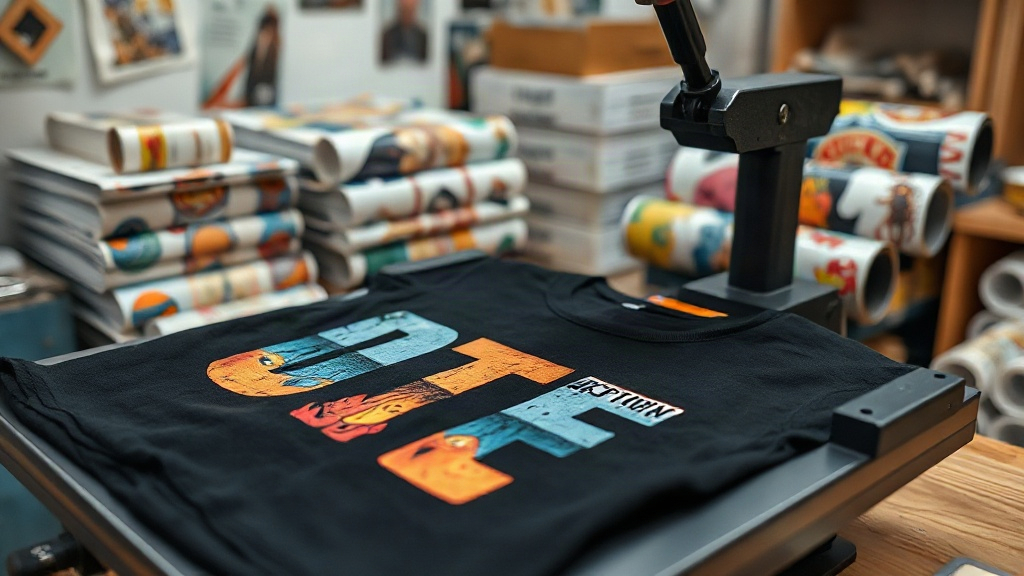
When you first hear about DTF Transfers, you might wonder if they are just another passing trend in the custom apparel world. But after using them for a few projects, I realized they solve problems that other printing methods can't. Whether you're a hobbyist or a small business owner, understanding DTF transfers can open up a world of possibilities for vibrant, durable prints on almost any fabric.
What Are DTF Transfers?
DTF stands for Direct to Film. It's a printing technology where your design is printed onto a special film, coated with a adhesive powder, and then heat-pressed onto the fabric. Unlike DTG (Direct to Garment) or screen printing, DTF transfers don't require pretreating the garment or using specialized inks for different colors. The process is surprisingly straightforward, and the results are impressive.
Why Choose DTF Transfers?
There are several reasons why DTF transfers have become a go-to for many in the industry. First, they work on a wide range of materials, including cotton, polyester, blends, and even leather. Second, the color vibrancy is outstanding; you can print intricate designs with gradients and fine details without worrying about color limitations. Third, DTF transfers are cost-effective for small batches since you don't need screens or setup fees.
How to Apply DTF Transfers: Step by Step
Applying a DTF transfer is a simple process, but getting it right requires attention to detail. Here's how I do it:
- Prepare your heat press: Set the temperature to around 300°F to 325°F (150°C to 160°C) and preheat the garment for a few seconds to remove moisture.
- Position the transfer: Place the DTF transfer onto the garment with the printed side facing up. If your transfer has a backing film, make sure it's on top.
- Press: Apply medium to firm pressure for 10-15 seconds. I usually use a Teflon sheet or parchment paper to protect the transfer.
- Peel: Wait a few seconds for it to cool slightly, then peel the film off in a smooth, steady motion. If you peel too hot, the design might stretch; too cold, and it might crack.
- Post-press: For extra durability, cover the design with parchment paper and press again for 5-10 seconds.
Common Mistakes to Avoid
Even though DTF transfers are forgiving, I've made my share of mistakes. Here are a few pitfalls to watch out for:
- Insufficient pressure: If the transfer doesn't adhere properly, it's often because the pressure was too light. Make sure your press is adjusted correctly.
- Wrong temperature: Too hot and the film might melt; too cold and the adhesive won't activate. Always check your transfer supplier's recommendations.
- Peeling too fast: Rushing the peel can cause the design to lift or distort. Take your time.
- Not pre-pressing: Skipping the pre-press can trap moisture, leading to poor adhesion.
DTF Transfers vs. Other Printing Methods
How do DTF transfers stack up against DTG, screen printing, and vinyl? Each has its strengths, but DTF shines in flexibility. DTG is great for 100% cotton but struggles with polyester. Screen printing is cost-effective for large orders but requires setup. Vinyl is durable but limited in color complexity. DTF transfers offer a sweet spot: no minimums, vibrant colors, and compatibility with almost any fabric.
Design Tips for Stunning DTF Transfers
To get the most out of your DTF transfers, start with high-resolution images. Vector files are ideal, but 300 DPI PNGs work well too. Keep in mind that very fine lines or tiny text might not translate perfectly, so simplify where possible. Also, consider the fabric color: DTF transfers are opaque, so they show up well on both light and dark garments, but a white underbase can make colors pop even more.
Where to Buy DTF Transfers
You can order custom DTF transfers from various online suppliers, or if you're handy, you can invest in a DTF printer and produce them yourself. For beginners, I recommend starting with a reputable supplier to ensure quality. Look for companies that use high-quality films and inks, and offer reasonable turnaround times. Once you're comfortable, you might explore in-house production to save costs in the long run.
Frequently Asked Questions
How long do DTF transfers last?
With proper application and care, DTF transfers can last as long as the garment itself. Washing inside out in cold water and avoiding harsh detergents will extend their life.
Can I use DTF transfers on dark fabrics?
Absolutely! DTF transfers include a white ink layer that makes them opaque, so they show up brilliantly on dark colors.
Do I need a commercial heat press?
While a commercial heat press gives the best results, you can use a home iron or a small craft press. Just ensure you apply consistent pressure and heat.
What's the difference between DTF and DTG?
DTG prints directly onto the garment, while DTF involves printing onto a film and then transferring. DTF works on more fabric types and often produces more vibrant colors.
Can I stretch DTF transfers?
DTF transfers have some stretchability, but they're not as elastic as the fabric itself. Avoid overstretching the printed area to prevent cracking.