
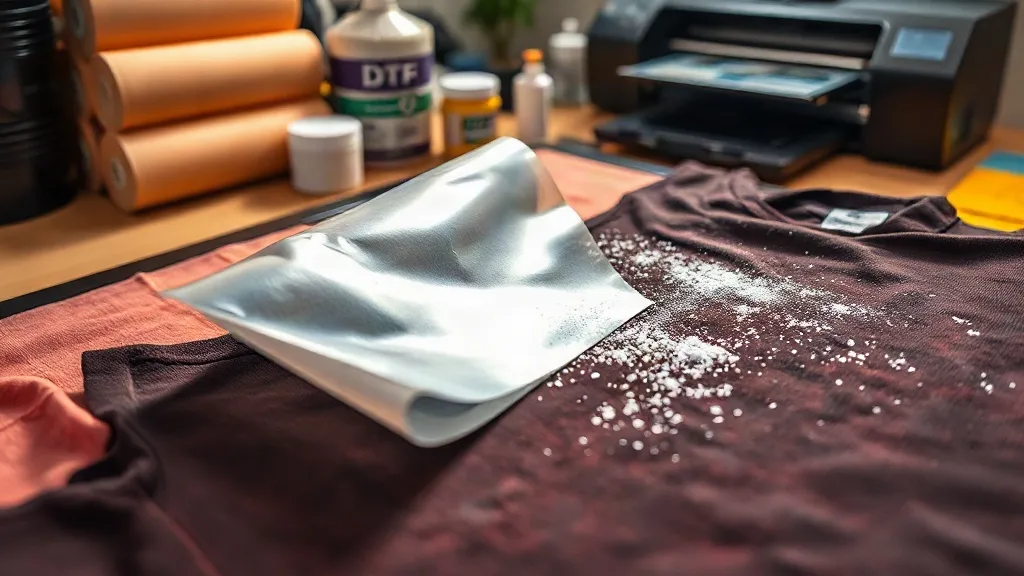
Most DTF troubleshooting guides focus on the heat press: temperature, pressure, time. But if you have ever followed every setting to the letter and still ended up with a cracked or dull print, the problem probably started long before the shirt reached the platen. The real story of dtf transfers lies in the materials themselves: the film, the powder, and the ink. Understanding how they interact gives you a diagnostic framework that no press manual can provide.
Why Material Knowledge Beats Setting Tweaking
When a print fails, operators often start twisting dials. They raise the temperature by ten degrees, add five seconds, or crank up the pressure. Sometimes that works, but more often it just masks the underlying issue. The truth is that dtf printing is a materials science problem as much as a mechanical one. Each component has a specific job, and when one underperforms, no amount of press adjustment can fully compensate.
Take film, for example. A cheap film might release ink unevenly or warp under heat. Powder that has absorbed moisture will clump and leave patchy adhesive. Ink that is past its prime may not cure properly, leading to washing failures. By learning to recognize material symptoms, you can stop guessing and start solving.
The Film: More Than Just a Carrier
DTF film is often treated as an afterthought, but it dictates how ink lays down and how easily the transfer releases. There are two main types: cold-peel and hot-peel. Cold-peel film requires the transfer to cool completely before peeling, which gives the adhesive time to bond with the fabric. Hot-peel film allows immediate removal, speeding up production but demanding more precise pressure and timing.
Film thickness also matters. Thinner films conform better to textured fabrics and stretchy materials, while thicker films can handle heavier ink loads without wrinkling. However, thicker films may require slightly longer press times to ensure the adhesive fully activates. If you notice the film curling at the edges during printing, it is a sign of poor quality or improper storage. Store film in a cool, dry place, and avoid exposing it to direct sunlight or humidity.
Choosing the Right Film for Your Shop
Start by matching film to your typical jobs. If you print a lot of performance wear with high elastane content, thin cold-peel film is usually the best choice. For bulk orders of cotton tees, hot-peel film can boost throughput. Always test a new film with your standard ink and powder before committing to a large roll. Small-scale tests save big headaches later.
Powder: The Adhesive That Makes or Breaks the Bond
DTF powder is a thermoplastic adhesive that melts under heat and fuses the ink to the fabric. The two common types are TPU (thermoplastic polyurethane) and TPU-based blends. TPU powder is known for its flexibility and durability, making it suitable for stretchy fabrics. However, not all TPU powders are created equal. Particle size affects how evenly the powder coats the wet ink. Finer powders give a smoother, more consistent adhesive layer, while coarser powders may leave a gritty feel.
Humidity is the enemy of powder. Moisture causes clumping, which leads to uneven adhesive distribution and weak spots. Always store powder in an airtight container with a desiccant pack. Before use, give the container a gentle shake to break up any lumps, but avoid vigorous shaking that creates airborne dust. When applying powder, aim for a thin, even coat. Too much powder creates a stiff, plastic-like hand feel; too little leaves the print vulnerable to peeling.
Powder Application Techniques
Automatic powder shakers are convenient but can be messy. Manual application with a scoop and a gentle shake works well for small batches. After applying, shake off excess powder onto a tray and reuse it if it is clean. Always cure the powder according to the ink manufacturer's recommendations. Under-curing results in poor wash durability; over-curing can make the adhesive brittle.
Ink: The Color Layer Under the Microscope
DTF ink consists of CMYK colors plus a white underbase. The white ink is particularly critical because it provides opacity on dark garments. White ink contains titanium dioxide, which is heavy and prone to settling. If the printer sits idle for long periods, the white ink can separate, leading to weak, translucent prints. Regular agitation and printing a small test pattern daily keeps the ink in suspension.
Ink viscosity also changes with temperature. In a cold room, ink may become thick and cause banding; in a hot room, it may become too thin and spray erratically. Maintain a stable environment, ideally between 20 and 25 degrees Celsius, and use a hygrometer to monitor humidity. If you notice inconsistent color or missing nozzles, run a cleaning cycle and check the ink levels. Never mix inks from different manufacturers unless you have verified compatibility.
Ink Shelf Life and Storage
Most DTF inks have a shelf life of six to twelve months. Store them upright in a cool, dark place. Before installing a new cartridge or bottle, gently swirl it to redistribute pigments. Avoid shaking vigorously, which introduces air bubbles that can disrupt printing.
Putting It All Together: A Diagnostic Mindset
When a print fails, resist the urge to immediately adjust the press. Instead, work backward through the materials. Ask yourself: Was the film stored properly? Did the powder clump? Was the ink past its prime? Often, the answer reveals a simple fix that has nothing to do with temperature or pressure. This diagnostic approach not only solves problems faster but also reduces wasted materials and time.
For those who outsource their prints, understanding these material interactions helps you ask better questions and evaluate suppliers. If you are looking for dtf transfers near me, choose a provider who can explain their film, powder, and ink choices. A supplier who understands the materials is more likely to deliver consistent quality.
Frequently Asked Questions
How can I tell if my DTF powder has absorbed moisture?
Moisture-damaged powder often looks clumpy and may stick to the sides of the container. When applied to the wet ink, it may not spread evenly and can leave visible lumps after curing. If you suspect moisture, spread the powder on a baking sheet and dry it in an oven at low temperature (around 50°C) for 10-15 minutes, then store it with a desiccant.
What is the ideal humidity for a DTF printing room?
Relative humidity between 40% and 60% is generally recommended. Too high, and powder clumps and film may warp; too low, and static electricity can attract dust to the film and ink. Use a dehumidifier or humidifier as needed, and monitor with a hygrometer.
Can I use the same powder for all fabrics?
Not always. While TPU powder works on most fabrics, stretchy materials like spandex blends benefit from a more flexible powder blend. Always test a small sample before committing to a full batch. Some powders are specifically formulated for high elasticity or for improved softness.
Why does my white ink look grainy after printing?
Grainy white ink can result from poor ink agitation, incorrect printhead voltage, or using expired ink. Ensure the white ink is well-mixed before printing, and check that the printer's settings match the ink manufacturer's specifications. If the problem persists, try a different white ink batch or consult your printer technician.
How should I store unused DTF film?
Keep film in its original packaging, away from direct sunlight and heat sources. Ideal storage conditions are cool and dry, with temperatures between 15 and 25°C. Avoid stacking heavy objects on top of film rolls, as this can cause deformation. Use film within six months of opening for best results.