
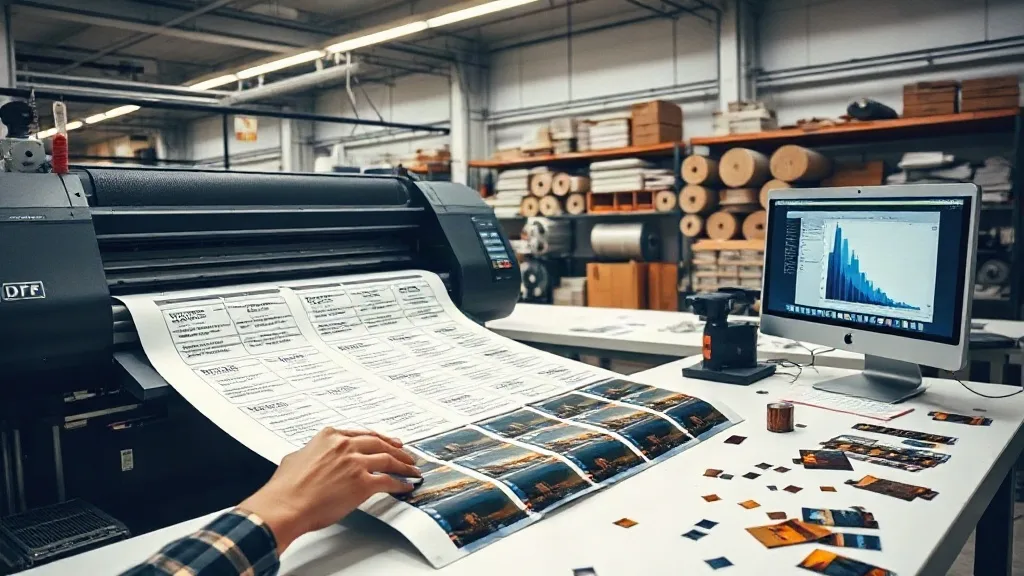
If you run a DTF print shop, you already know that film waste can quietly eat into your margins. Every square inch of unused film is money lost, and over time, those losses add up. But here's the good news: with a smarter approach to DTF Gangsheet production, you can cut waste without sacrificing quality. This guide dives into practical strategies that shop owners use daily to get more out of every sheet.
Why Film Waste Is Your Silent Profit Killer
Film waste isn't just about the cost of the film itself. It's also about the ink, the powder, and the time spent handling unnecessary material. When you nest poorly or use the wrong film size, you're paying for resources that never make it to a customer. Over a month, even a 10% waste rate can translate to hundreds of dollars down the drain.
But waste isn't inevitable. By rethinking how you approach gangsheets, you can turn that around.
Mastering the Art of Nesting
Nesting is the process of arranging multiple designs on a single sheet to maximize coverage. It's part science, part art. The goal is to fit as many prints as possible with minimal gaps. Here's how to do it right:
- Use nesting software: Manual nesting is time-consuming and error-prone. Invest in software that automatically rotates and aligns designs for optimal density.
- Group similar sizes: If you have multiple small designs, cluster them together to fill gaps around larger ones.
- Rotate designs: Sometimes a 90-degree rotation can squeeze in an extra print or two.
- Leave a small margin: Don't nest too tightly; you need a little space for cutting and handling.
Remember, the goal is to minimize unused space without compromising the integrity of each transfer.
Choosing the Right Film Size
Film comes in various widths and lengths. Selecting the right size for your typical gangsheet can drastically reduce waste. If you often print small designs, using a narrower roll might be more efficient than a wide one that leaves large empty areas. Conversely, for large orders, a wider roll can accommodate more prints and reduce the number of sheets used.
Track your average gangsheet dimensions over a week. You might find that a different film size aligns better with your production patterns.
Ink Coverage: The Hidden Cost Driver
Ink isn't cheap, and the amount you use directly impacts your bottom line. While you can't change the design, you can control how much ink is laid down. Some RIP software allows you to adjust ink limits without visible quality loss. Test different settings on a sample to find the sweet spot between vibrant colors and economical ink use.
Also, consider the design itself: large solid areas use more ink than detailed patterns. If you're printing a lot of solid backgrounds, you might want to factor that into your pricing.
Reusing and Recycling Film Scraps
Even with perfect nesting, you'll have some scraps. Instead of tossing them, save them for small prints like logos or tags. Many shops keep a bin of usable scraps and use them for test prints or tiny orders. This practice not only reduces waste but also speeds up small jobs.
For unusable scraps, check if your local recycling center accepts them. Some film types are recyclable, and keeping them out of landfill is good for the environment and your brand image.
Staff Training: The Key to Consistent Efficiency
Your team is your greatest asset when it comes to waste reduction. Train everyone who handles gangsheets on the importance of nesting, proper film handling, and ink management. A few minutes of training can save hours of wasted material. Encourage feedback: the operators often have the best ideas for streamlining processes.
Consider implementing a simple reward system for suggestions that lead to measurable waste reduction.
Track Your Metrics
You can't improve what you don't measure. Keep a log of film usage, ink consumption, and the number of prints per sheet. Compare these metrics over time to identify trends and areas for improvement. A simple spreadsheet can be eye-opening: you might discover that certain designs or film types consistently cause more waste.
Set a target waste percentage and work towards it. Even a small reduction adds up to significant savings over a year.
Common Questions About DTF Gangsheets
How can I reduce film waste without buying new equipment?
Start with better nesting practices and staff training. Simple changes like rotating designs and grouping small items can make a big difference. Also, consider using scraps for small prints.
What's the ideal film width for a small shop?
It depends on your typical order sizes. If you mostly print small designs, a 13-inch roll might be more efficient. For larger orders, a 24-inch roll could reduce the number of sheets. Track your usage to decide.
Does ink coverage really affect my costs that much?
Yes, ink is a major cost component. Reducing ink coverage by 10% can lead to noticeable savings, especially on high-volume orders. Adjust your RIP settings carefully to maintain quality.
Can I reuse film scraps for customer orders?
Absolutely, as long as the scraps are clean and large enough for the design. Many shops use scraps for small logos or test prints. Just ensure the quality meets your standards.
How often should I review my gangsheet process?
Review your metrics monthly and do a deeper analysis quarterly. This helps you catch inefficiencies early and adapt to changing order patterns.