
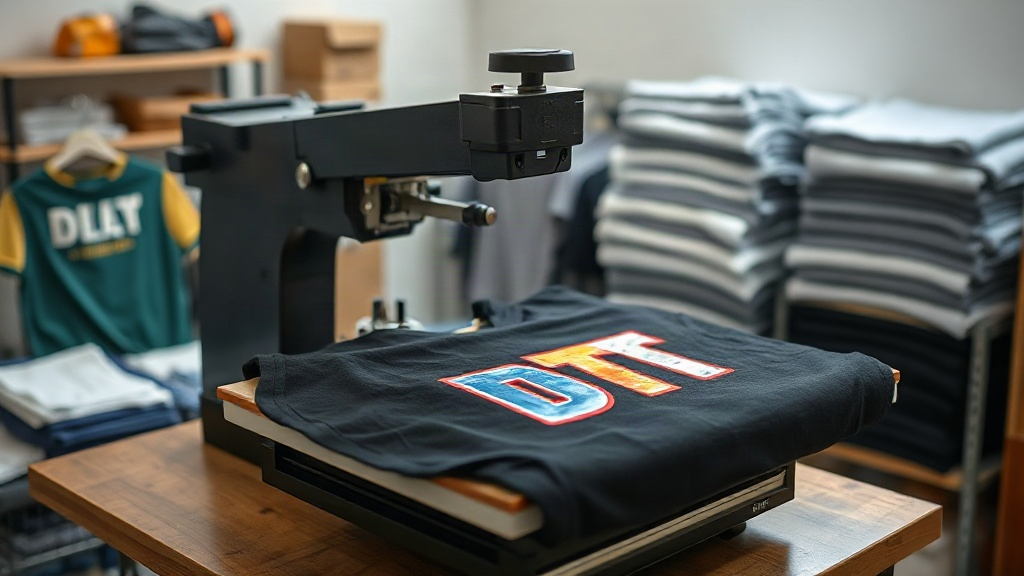
When you're printing custom apparel, the blank you choose can make or break the final product. Two names that consistently come up in professional circles are Shaka Wear and Smart Blanks. Both offer quality garments, but how do they pair with DTF transfers? If you've ever pulled a shirt from the press only to see cracking, peeling, or dull colors, the issue often lies in the combination of transfer, fabric, and technique. This guide dives deep into applying DTF transfers on Shaka Wear and Smart Blanks, with practical advice you can use in your shop today.
Why DTF Transfers Are a Game-Changer for Custom Apparel
DTF transfers (direct-to-film) have exploded in popularity because they work on almost any fabric, including cotton, polyester, blends, and even nylon. Unlike vinyl or screen printing, DTF doesn't require weeding or color separation. You print your design onto a special film, powder it with adhesive, and heat press it onto the garment. The result is a soft, stretchable print that holds up wash after wash. For small businesses and hobbyists alike, DTF opens up a world of possibilities without the overhead of screens or expensive equipment.
Understanding Shaka Wear: Quality Blanks for Streetwear
Shaka Wear has built a reputation for heavyweight, durable garments that appeal to streetwear brands and anyone who wants a premium feel. Their t-shirts, hoodies, and crewnecks are often 100% cotton or cotton-poly blends, with a substantial hand feel. The fabric is typically ring-spun, which means it's softer and smoother than standard open-end cotton. This smooth surface is excellent for DTF transfers because the adhesive can bond evenly, leading to vibrant colors and sharp details.
Fabric Characteristics That Affect DTF Adhesion
Shaka Wear garments often have a tight knit and a slight sheen, especially in their poly-blend styles. While this looks great, it can be tricky for DTF if not pressed correctly. The key is to pre-press the garment to remove moisture and wrinkles, then apply consistent heat and pressure. Because Shaka Wear tends to be heavier, you might need a slightly longer press time to ensure the adhesive fully cures into the fabric. I've found that 320°F for 15 seconds with medium-heavy pressure works well for most Shaka Wear cotton tees, but always test with your specific press.
Smart Blanks: Affordable and Consistent
Smart Blanks is another popular choice, especially for those who need reliable blanks at a budget-friendly price. Their garments are often 100% cotton or cotton-poly blends, with a consistent cut and sizing. While they may not have the same heavyweight feel as Shaka Wear, they are a solid option for promotional products, team uniforms, and everyday wear. For DTF transfers, Smart Blanks offer a smooth printing surface that accepts transfers well, provided you follow the right steps.
Preparing Smart Blanks for DTF Application
Smart Blanks sometimes come with a light factory finish that can interfere with adhesion. A quick pre-press for 5-7 seconds at 320°F will evaporate any moisture and relax the fibers. If you're working with a poly-blend Smart Blank, lower the temperature to 300°F to avoid scorching. Always check the care label for fabric content. For 100% cotton, you can press at 320°F for 15 seconds. For blends, start at 300°F and adjust as needed. The goal is to get a smooth, dry surface without shrinking the garment.
Step-by-Step: Applying DTF Transfers to Shaka Wear and Smart Blanks
Whether you're using Shaka Wear or Smart Blanks, the process is similar. Here's a tried-and-true method that yields professional results.
- Pre-press the garment: Set your heat press to 320°F (for cotton) or 300°F (for blends). Press for 5-7 seconds to remove wrinkles and moisture. This step is crucial for Shaka Wear's heavier fabrics, as trapped moisture can cause the transfer to bubble.
- Position the DTF transfer: Place the transfer face down on the garment. Use heat tape if needed to keep it in place.
- Press: Apply medium to heavy pressure for 15 seconds. For Shaka Wear's thicker fabrics, you might extend to 18-20 seconds. For Smart Blanks, 15 seconds is usually sufficient.
- Peel: Wait 10-15 seconds for the transfer to cool slightly, then peel the film off in a smooth, consistent motion. If you peel too hot, the design might stretch; too cold, and it may crack. I prefer a warm peel for most DTF films.
- Post-press: Cover the design with a Teflon sheet or parchment paper and press again for 5-10 seconds. This ensures the adhesive fully melts into the fabric, improving wash durability.
Common Challenges and How to Overcome Them
Even with the best blanks and transfers, issues can arise. Here are some frequent problems and their solutions.
Transfer Not Sticking
If the transfer peels off after pressing, it's usually due to insufficient pressure, temperature, or time. For Shaka Wear, increase pressure and time slightly. For Smart Blanks, check that the fabric is completely dry and free of fabric softener. Also, ensure your DTF film is fresh; old film can lose its adhesive properties.
Cracking or Fading After Washing
Cracking often happens when the transfer is under-pressed. The adhesive needs to fully penetrate the fabric fibers. Try increasing the post-press time to 10 seconds. Also, advise customers to wash garments inside out in cold water and avoid bleach. For extra durability on Shaka Wear's heavy cotton, use a higher pressure setting.
Colors Look Dull
Dull colors can result from insufficient temperature or pressing too long, which can scorch the film. Verify your press temperature with an infrared thermometer. If you're using a poly-blend Smart Blank, lower the temperature to prevent the dye from sublimating into the transfer. Always do a test press on a scrap piece of fabric.
Choosing the Right DTF Transfer for Your Blanks
Not all DTF transfers are created equal. When shopping for transfers, look for ones that specify compatibility with cotton and blends. Some suppliers offer specialized films for stretchy fabrics, which are great for Shaka Wear's spandex-blend items. Also, consider the ink quality: high-quality transfers use vibrant, wash-resistant inks. At dtfclassic.com, we offer a range of DTF transfers designed to work seamlessly with popular blanks like Shaka Wear and Smart Blanks. Our transfers are printed on premium film with a soft-hand feel, so your prints look and feel great.
Frequently Asked Questions
Can I use DTF transfers on Shaka Wear hoodies?
Absolutely. Shaka Wear hoodies are typically cotton or cotton-poly blends, which are ideal for DTF. Just remember to pre-press to remove moisture, and use a slightly longer press time for the thicker fabric. Also, avoid pressing the zipper or seams directly.
What temperature should I use for Smart Blanks 100% cotton t-shirts?
For 100% cotton Smart Blanks, set your heat press to 320°F and press for 15 seconds with medium-heavy pressure. This ensures the adhesive cures properly without scorching the fabric.
Do DTF transfers work on Shaka Wear poly-cotton blends?
Yes, but you should lower the temperature to around 300°F to prevent the polyester from melting or the dye from bleeding. Also, use light pressure and a shorter press time (12-15 seconds) to avoid over-curing.
How do I prevent DTF transfers from peeling off Smart Blanks after washing?
Ensure you post-press the transfer for 5-10 seconds after the initial press. This extra step helps the adhesive bond fully. Also, wait 24 hours before washing the garment, and always wash inside out in cold water.
Can I stretch Shaka Wear garments after applying DTF transfers?
DTF transfers are flexible, but excessive stretching can cause cracking over time. If you need high stretch, choose a DTF film designed for stretch fabrics and apply it with a post-press. Shaka Wear's fabrics generally have some stretch, so the transfer should move with the garment without issue.
With the right techniques and a bit of practice, you can achieve professional-looking DTF transfers on Shaka Wear and Smart Blanks every time. Remember to pre-press, use consistent heat and pressure, and always test your settings. Your customers will appreciate the vibrant, durable prints that withstand the test of time. Happy pressing!