
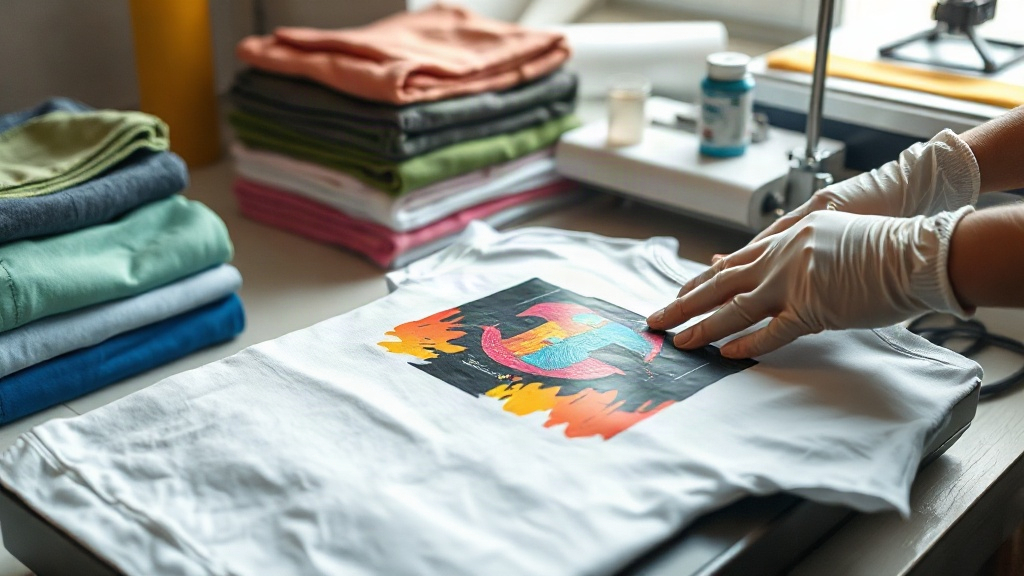
If you've been in the custom apparel game for even a short time, you've likely heard the buzz around DTF transfers. This printing method has taken the industry by storm, and for good reason. Unlike traditional techniques that require specific fabrics or complicated setups, DTF transfers offer unmatched versatility, vibrant colors, and impressive durability. Whether you're a small business owner, a hobbyist, or a large-scale producer, understanding DTF transfers can elevate your creations and streamline your workflow. In this guide, we'll dive deep into what DTF transfers are, how they work, and how to pair them with top-quality blanks from Shaka Wear and Smart Blanks to achieve professional results every time.
What Are DTF Transfers?
DTF stands for Direct to Film. It's a printing process where your design is printed onto a special film, coated with a powder adhesive, and then heat-pressed onto a garment. The magic lies in the transfer: the ink and adhesive bind to the fabric, creating a soft, stretchable, and long-lasting print. Unlike DTG (Direct to Garment) which requires pre-treatment and works best on 100% cotton, DTF transfers adhere beautifully to a wide range of materials, including polyester, blends, and even leather. This opens up a world of possibilities for customizing different types of apparel.
Why Choose DTF Transfers Over Other Methods?
When you're deciding how to bring your designs to life, it's important to weigh the options. Here's why DTF transfers often come out on top:
- Versatility: Works on cotton, polyester, blends, nylon, leather, and more. No need to stock multiple printing solutions.
- No cutting or weeding: Unlike heat transfer vinyl (HTV), DTF transfers don't require tedious cutting and weeding. You simply print, powder, and press.
- Vibrant colors: DTF printers use CMYK plus white ink, allowing for bright, opaque designs even on dark garments without a separate white underbase.
- Durability: When applied correctly, DTF prints withstand dozens of washes without cracking, peeling, or fading.
- Cost-effective for small batches: No minimum order quantities, making it ideal for one-off custom pieces or small runs.
How DTF Transfers Work: Step by Step
Understanding the process helps you troubleshoot and perfect your technique. Here's a breakdown of the DTF workflow:
- Design Preparation: Create your artwork in a graphics program. Remember to mirror the image before printing, as the film will be flipped during transfer.
- Printing: Use a DTF printer with specialty inks. The printer lays down CMYK colors followed by a white ink layer.
- Powdering: While the ink is still wet, apply a hot melt adhesive powder evenly over the print. Shake off excess.
- Curing: Place the film in a curing oven or under a heat press to melt the powder. This creates a dry, tack-free surface.
- Transfer: Position the film on your garment and apply heat and pressure with a heat press. The adhesive bonds the ink to the fabric.
- Peeling: After pressing, allow the film to cool (for cold peel) or peel while hot (for hot peel), depending on the film type. Your vibrant design is now permanently affixed!
Choosing the Right Blanks for DTF Transfers
The quality of your blank garment significantly impacts the final result. Not all blanks are created equal, and some fabrics take DTF transfers better than others. Let's explore two trusted brands that consistently deliver excellent results: Shaka Wear and Smart Blanks.
Shaka Wear: Streetwear-Ready Blanks
Shaka Wear has become a go-to for custom apparel creators who want a premium, streetwear-inspired look. Their garments are known for their heavyweight cotton, relaxed fits, and superior construction. When you apply DTF transfers to Shaka Wear tees or hoodies, the results are stunning. The tight-knit fabric provides a smooth canvas, allowing the transfer to adhere evenly without texture interference. Plus, Shaka Wear's color palette includes trendy, muted tones that pair perfectly with bold DTF graphics.
Smart Blanks: Affordable and Reliable
For budget-conscious creators, Smart Blanks offers an excellent balance of quality and value. These blanks are soft, durable, and available in a wide range of styles and colors. DTF transfers work exceptionally well on Smart Blanks because their fabrics are consistent and well-prepared for heat application. Whether you're printing a large order or testing a new design, Smart Blanks provide a dependable foundation without breaking the bank.
Tips for Perfect DTF Transfers
Even with the best materials, technique matters. Follow these tips to ensure flawless results:
- Pre-press your garment: This removes moisture and wrinkles, creating a smooth surface for the transfer.
- Use the right settings: Typically, 325°F for 15-20 seconds with medium pressure. Always check your film's recommendations.
- Cool before peeling: For cold-peel films, let the transfer cool completely before removing the film. This prevents ink from stretching.
- Wash inside out: To prolong the life of your DTF print, turn the garment inside out and wash in cold water. Avoid fabric softeners and dry on low heat.
Common Mistakes to Avoid
Newcomers to DTF transfers often run into a few pitfalls. Here's what to watch out for:
- Insufficient pressure: If the transfer doesn't adhere fully, it may peel. Increase pressure and ensure your heat press is calibrated.
- Over-powdering: Too much adhesive powder can create a messy, textured finish. Apply a thin, even layer.
- Incorrect peeling: Peeling too soon or too late can ruin the print. Know your film type (hot peel vs. cold peel).
- Ignoring fabric type: While DTF works on many fabrics, some heavily textured or coated materials may require special handling.
Frequently Asked Questions About DTF Transfers
Can I use DTF transfers on 100% polyester?
Absolutely! DTF transfers are renowned for their ability to adhere to polyester and polyester blends. In fact, they often outperform other methods on synthetic fabrics because the adhesive bonds well without requiring high temperatures that could damage the fabric. Just ensure you use a lower temperature setting to avoid scorching.
How durable are DTF transfers after washing?
When applied correctly, DTF transfers can last as long as the garment itself. They resist cracking, peeling, and fading for 50+ washes. To maximize longevity, wash inside out in cold water and avoid harsh detergents or bleach.
Do I need a special printer for DTF transfers?
Yes, DTF printing requires a dedicated DTF printer that uses pigment inks and a white ink channel. However, if you don't want to invest in a printer, you can purchase pre-printed DTF transfers from suppliers and simply apply them with a heat press.
What is the best way to store unused DTF transfers?
Store them in a cool, dry place, away from direct sunlight and moisture. Keep them flat or rolled, not folded, to prevent creases. Properly stored transfers can last for several months.
Can I layer DTF transfers with other decorations?
Yes, you can combine DTF transfers with embroidery, rhinestones, or even other DTF designs. Just be mindful of the order: apply DTF first if you plan to embroider over it, as the heat press might affect embroidery threads.
Elevate Your Custom Apparel with DTF Transfers
DTF transfers have revolutionized the custom apparel industry by offering unparalleled versatility, vibrant results, and ease of use. By pairing this technology with high-quality blanks like Shaka Wear and Smart Blanks, you can create professional-grade products that impress customers and stand the test of time. Whether you're launching a clothing brand, making team uniforms, or simply expressing your creativity, DTF transfers provide a reliable and exciting path to bring your designs to life. So why wait? Explore the possibilities today and watch your ideas come to life on fabric.