
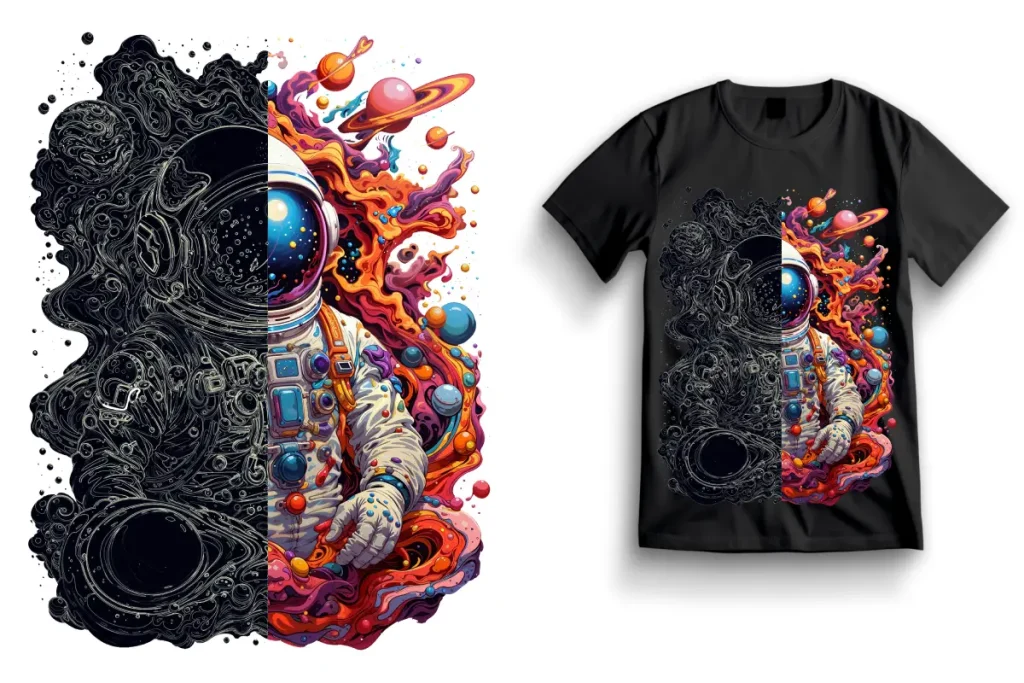
The global textile and custom apparel market is currently witnessing a massive technical shift, driven by consumers who demand rapid turnaround times, intricate multi-colored designs, and retail-grade durability. For years, independent clothing labels and commercial print shops were forced to navigate the financial roadblocks of screen printing setups or accept the heavy, plastic texture of standard vinyl cutouts. Today, the widespread adoption of high-performance dtf transfers has completely rewritten the playbook for garment decoration, offering an efficient, cost-effective digital production method that delivers photographic print quality on practically any fabric substrate.
Fulfilling short-run custom clothing orders profitably requires production tools that adapt instantly to changing artwork requirements. Integrating commercial DTF technology into your everyday workflow allows your business to move away from carrying large amounts of physical, pre-printed stock and embrace a truly responsive production model. In this comprehensive technical guide, we will break down the precise chemical processes, temperature configurations, and file setup rules required to master this film-based printing framework and elevate your brand above the competition.
The Molecular Architecture of Digital Film Fusing
To establish a consistent, mistake-free production process in your studio, it helps to analyze the microscopic layers that form a functional transfer sheet. Rather than spraying raw liquid pigments directly onto porous fabric fibers where colors can lose their vibrancy, this digital method builds a highly stable, multi-layered graphic emblem on a temporary plastic carrier before any mechanical pressure is introduced.
The entire workflow revolves around a premium polyethylene terephthalate carrier sheet that has been treated with a microscopic matte release chemical layer. An industrial digital inkjet printer deposits cyan, magenta, yellow, and black water-based ink droplets onto the film surface, capturing complex color gradients with extreme precision. Right after the colored artwork is laid down, the machinery prints a thick, opaque backing layer composed entirely of solid white ink. This white base functions as a critical primer, blocking the background color of the garment from muddying or bleeding through the finished graphic.
While that white backing layer is still completely wet, the film transitions through an automated powder applicator where a finely ground thermoplastic polyurethane adhesive powder is distributed across the sheet. This specialized hot-melt powder clings tightly to the wet ink zones, while integrated shaking mechanisms gently remove any stray dust from the clear parts of the plastic. The sheet then encounters targeted heat elements in a curing tunnel, melting the powder granules into a unified, rubberized structural backing. This smooth layer locks the pigments into place, creating an elastic transfer emblem that is ready to be permanently fused onto your garments.
Universal Substrate Compatibility: Beyond Pure Cotton
One of the main operational challenges in traditional textile decoration is fabric compatibility. Screen printing requires different emulsion types depending on the garment material, while Direct-to-Garment setups rely heavily on pure cotton to achieve vibrant results. Digital film transfers break down these barriers completely, offering a universal solution that works seamlessly across a massive variety of textiles.
- Universal Fabric Compatibility: Whether you are printing on delicate polyester sports jerseys, heavy cotton hoodies, tough nylon canvas bags, or complex poly-blends, the adhesive properties remain consistently strong.
- No Pre-treatment Required: Unlike other digital textile printing methods that require spraying a chemical pre-treatment onto the fabric before printing, this film-based method skips that messy, time-consuming step entirely.
- Stretchy and Soft Hand Feel: The combination of flexible water-based inks and fine adhesive powder creates a finished product that stretches with the fabric rather than resisting it, drastically reducing the risk of unsightly cracking or peeling over time.
Thermal Fusing Calibration: The Perfect Triad of Application
Securing a permanent, industrial-grade bond that easily outlasts the standard life cycle of a commercial garment requires exact control over your physical workshop equipment. Even the highest grade of raw film materials will suffer from edge lifting, bubbles, or premature washing degradation if your heat press variables are misconfigured. You must maintain precise control over three fundamental pillars during production.
1. Temperature Control Optimization
Most commercial workshops operate optimally between two hundred and ninety and three hundred and twenty degrees Fahrenheit. Sensitive synthetic textiles, such as pure polyester athletic jerseys, require the lower end of this thermal range to prevent fabric scorching or color distortion. Conversely, heavy canvas bags, thick denim, or dense cotton fleece hoodies can tolerate the higher side of the spectrum to ensure the melting adhesive sinks deep into the thick structural fibers.
2. Mechanical Compression Force
Medium to firm mechanical pressure is completely non-negotiable when working with these films. The physical downforce of your heat press machine drives the liquefied polyurethane adhesive matrix deep into the microscopic intersections of the textile yarn, locking the graphic into the core weave of the clothing item rather than allowing it to float loosely on the surface fuzz.
3. Cycle Duration Metrics
The initial heat application cycle must be sustained for a continuous twelve to fifteen seconds. This precise duration allows the thermoplastic backing sufficient time to transition completely from a solid powder state into a smooth liquid polymer, intertwining thoroughly with the textile threads before the cooling phase begins.
Eliminating Supply Chain Risks with Regional Print Providers
For independent apparel entrepreneurs managing tight event deadlines or sudden e-commerce volume spikes, shipping delays from international distributors present a massive operational risk. When a corporate client places an urgent order for custom promotional gear, waiting multiple days for raw materials to pass through international customs borders is a major liability. This real-world bottleneck explains why thousands of shop owners consistently look for premium dtf transfers near me to establish rapid, dependable regional supply chains.
Building a partnership with a nearby domestic supplier completely eliminates international shipping risks and shortens transit times from weeks down to hours. This localized logistics approach allows local apparel creators to minimize their warehouse storage requirements, fulfill last-minute custom merchandise requests profitably, and maintain strict quality control metrics through every peak season of retail growth. Working with a dedicated provider ensures you receive fresh, properly stored films that have not been exposed to humidity fluctuations during long international voyages.
Maximizing Commercial Efficiency in the Southern Apparel Hub
Texas has fast become a highly competitive battleground for independent apparel brands, industrial workwear suppliers, and custom merchandise companies. For organizations working within these fast-moving southern commerce sectors, securing the best dtf transfer at Houston production facilities ensures your finished goods display the vibrant color profiles and robust durability that modern retail shoppers demand. The regional market moves fast, and having a production partner in your area can drastically cut down on operational friction.
The intense environmental factors of the region, including high heat index levels and frequent humidity shifts, mean that custom garments must possess extreme structural resilience. Utilizing a professional Houston dtf transfer provider gives local creators access to advanced, wash-tested adhesive formulas that endure heavy physical wear and frequent laundering cycles without showing signs of premature cracking, surface peeling, or color degradation under the southern sun. Harwin DTF brings specialized regional expertise to the table, helping local brands navigate these environmental production challenges effortlessly.
Digital Graphic Preparation for Flawless Transfer Output
Modern print machinery can reproduce incredibly delicate gradient blends and complex typographic details, but the physical nature of heat-applied films requires strict adherence to digital design rules. Ensuring your creative project files are properly prepared prevents printing errors and maximizes the visual impact of your apparel line.
- Resolution Thresholds: All creative graphic files must be exported at a minimum resolution of three hundred dots per inch matching the exact physical dimensions of the intended print. Low-resolution internet images will appear pixelated, fuzzy, and unprofessional when scaled up onto clothing.
- Transparency Maintenance: Your design workspace background must be completely transparent; stray semi-transparent pixels or soft shadows will cause the printer to apply white backing ink, creating messy, unappealing borders on the pressed garment.
- Stroke Thickness Rules: Any text strokes or isolated graphical lines should maintain a minimum thickness of 0.02 inches. Microscopic details thinner than this mark do not possess enough surface area to retain an adequate coat of adhesive powder, which causes those fine design elements to peel away during the film removal process.
Frequently Asked Questions
What is the functional difference between hot peel and cold peel release sheets?
The main difference comes down to the chemical layers applied to the plastic film surface. Hot peel films let you remove the carrier plastic instantly within seconds of opening the heat press, which keeps production lines moving quickly. Cold peel films must cool entirely down to room temperature before you remove the plastic liner, which offers a safer path for fine lines or heat-sensitive blends.
Can I apply these graphic prints onto heavily coated rain jackets?
Applying standard digital transfers to clothing treated with durable water repellent coatings is generally not recommended. The chemical barrier prevents the melting glue from locking into the fabric threads, making the design peel easily. For specialized outerwear, look for high-bond adhesive powders designed specifically for synthetic coatings.
How do I stop fabric dyes from bleeding into light-colored prints?
Dye migration happens when high heat turns the dyes inside synthetic fabrics into a gas that seeps up into the white print layers. To fix this, you should reduce your heat press temperatures or use specialized carbon-backed blocking films that build a physical wall between the synthetic fabric dyes and the decorative graphics.
Are the ink formulas safe for printing on sensitive children clothing?
Yes, premium commercial transfers are produced with safe, water-based inks and non-toxic polyurethane powders that do not contain heavy metals. This clean chemistry makes the decoration method perfectly safe for toddler clothes, custom baby sets, and everyday children wear without causing skin issues.
Transforming Your Apparel Brand Logistics with Harwin DTF
Succeeding in the modern custom apparel industry demands a production strategy that blends exceptional speed, absolute design freedom, and rigorous build quality. By integrating high-performance dtf transfers into your everyday workshop logistics, you escape the restrictive order minimums and exhausting setup procedures that traditional methods demand. Harwin DTF serves as your dedicated industrial manufacturing ally, delivering the flawless color precision, rapid shipping response times, and extreme wash durability needed to protect your market share. Let Harwin DTF handle the intricate technical demands of print logistics so you can focus your focus on designing beautiful collections, driving high-impact marketing campaigns, and expanding your brand influence.